
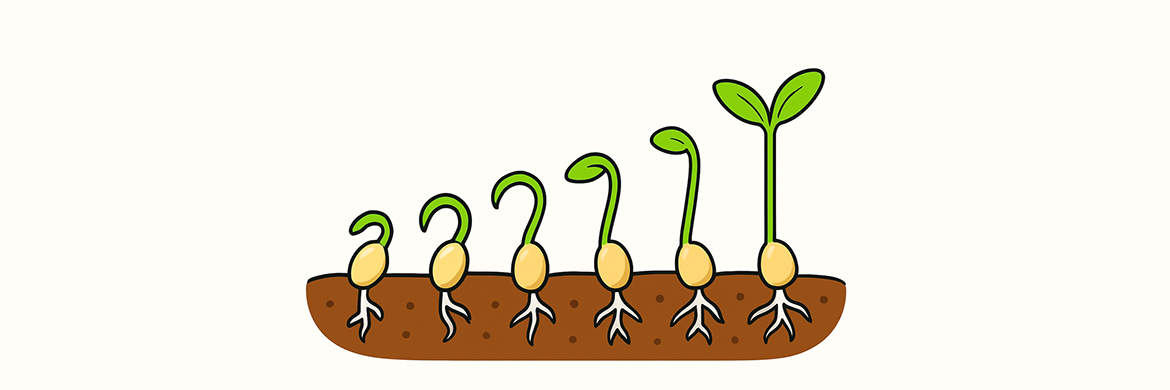
Step One: Select
Browse our collection of donated Open-Pollinated and Heirloom seeds. Open-pollinated seeds are naturally pollinated and have adapted to our local growing conditions over time. Heirloom seeds are varieties that have been passed down through generations within families or communities, preserving unique flavors, colors, and histories.
If you are a beginning gardener, start with just a few varieties and focus on seeds labeled “easy.” Great starter options include beans, peas, lettuce, and tomatoes.
Use your library card to “check out” seed packets from the collection. Unlike library books, you do not need to return the seeds you take home. However, we strongly encourage gardeners to save seeds from their harvest and donate them back to the library at the end of the season so others can grow them next year.
Patrons may check out up to five packets or groups of seeds per day. Some seeds are packaged, while others are stored in bulk bins, so you may need to bring a small container to transport them.
While you’re here, be sure to browse our gardening books to learn more about planting, soil health, and seed saving.
Step Two: Sow
When you get your seeds home, keep them dry and stored in a cool place until you are ready to plant them. Follow the planting instructions for each variety, paying attention to when to plant and how deep the seeds should be placed in the soil.
Review a planting chart for our area to ensure you are planting at the right time. Some plants need to be started indoors before being moved outside. These seedlings should be transplanted outdoors after the last frost date, which in our area is typically around May 25.
Gardening is a wonderful outdoor family activity and a great way to relax after a long day. Caring for plants and watching them grow can be both rewarding and fulfilling, while also providing fresh food and a deeper connection to nature.
Step Three: Share
Help us keep our Seed Library growing! If you would like to save seeds to share back with the library, select seeds from your strongest, healthiest, and most productive plants.
For plants that produce seeds in pods or on the outside of the plant, allow the seeds to fully dry on the plant before collecting them. Harvest them before the pods or seed heads split open. Examples include many flowers, herbs, beans, and carrots.
For plants that produce seeds inside the flesh of the fruit, the seeds should be removed, rinsed, and dried thoroughly before storing. Examples include tomatoes, watermelon, and squash.
The library has books on seed saving that can help you learn more. You can also find helpful information online from organizations such Seed Savers, Salt Spring Seeds, and Sow Right Seeds.
Be sure to save some seeds for yourself, and consider returning a portion to the library so others in our community can grow them too. Together, we can help our Seed Library—and our community—continue to grow.


